

Scholarly Dialogues: Nicholas DiCarlo, "Graying Psychoanalysis: Radical Perspectives on Aging Rights and Clinical Work with Older Adults"
This class will explore the gerontological potential of psychoanalysis. Graying is a definitional frame that signifies making something old and focusing our sights (and sites of analysis) on aging process. We will discuss two papers authored by the presenter that illustrate this is a more expansive endeavor than just working with (or on) older adults, we have opportunities to think about generational survival. Graying psychoanalysis requires us to think about how we are all aging in a very ageist, age-segregated society, which we can witness through sociological theories of cumulative advantage/disadvantage (Dannefer, 2003) and feminist theories of political economy (Estes, 1979; Estes & DiCarlo, 2019). Together we will reflect on how our professional frames (training, clinic settings, fees, and theories) position us to engage or avoid Aging. How might we build a psychoanalysis that welcomes greater intergenerational contact and solidarity?
Psychoanalytically, we'll primarily use Ogden's theoretical frameworks of reverie, the perverse subject, and leakiness/dreaming to extend our thinking about maternal embodiment, disability, aging and mortality.
Learning Objectives:
- Build a working definition of ageism that connects structural inequality to psychic realities of stereotypes, avoidance, and internalization of older age.
- Understand more how the dominance of biomedicalization (of both illness and aging) and its discourses (primarily essentialism and functionalism) foreclose psychoanalytic opportunities for exploration and meaning-making.
Speaker Bio:
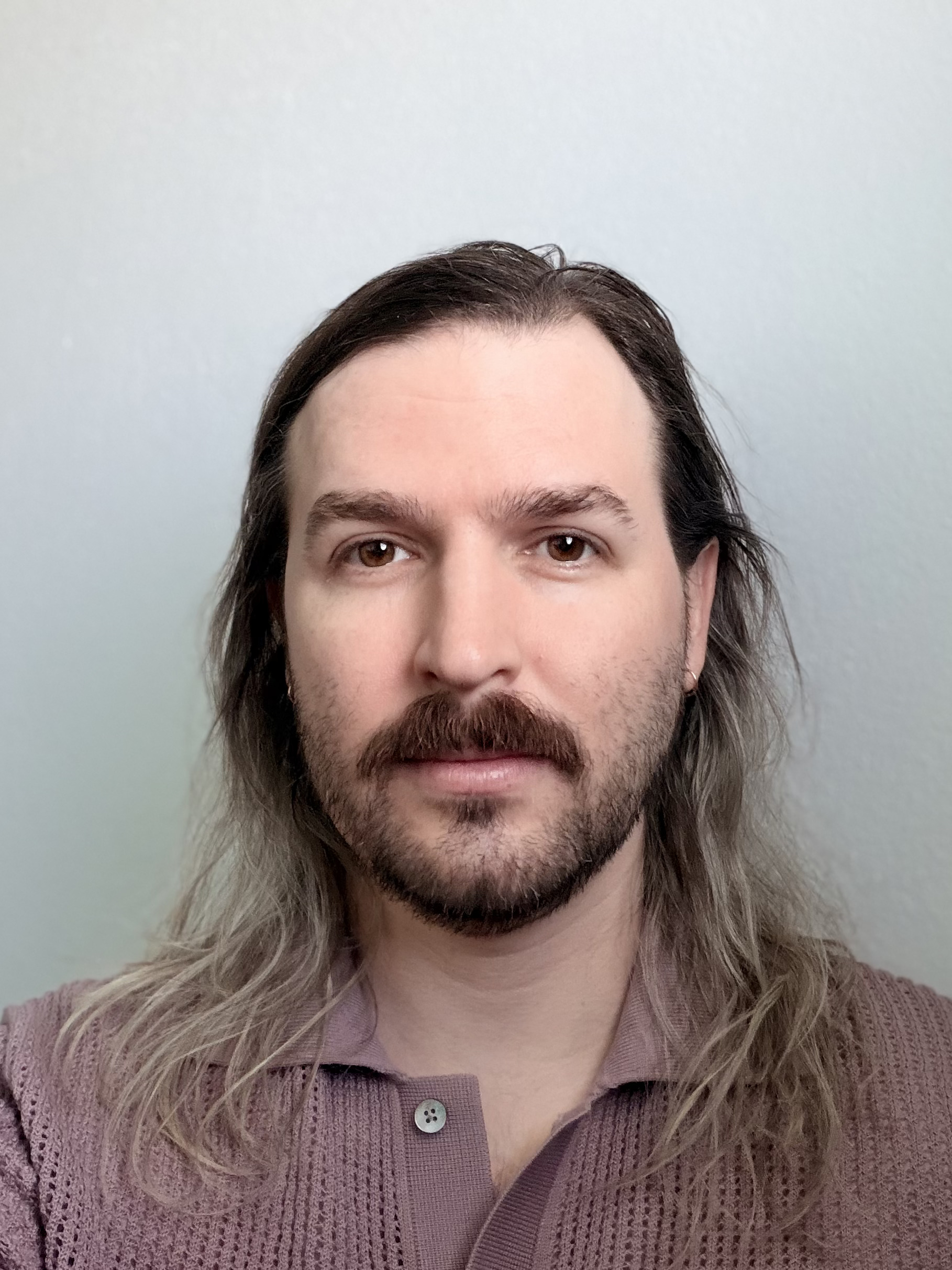 Nicholas (they/them) is in private practice and teaches at Hunter College’s Silberman School of Social Work. They previously taught at the National Institute for the Psychotherapies. Nicholas serves as acting Program Chair for Division 39, where they are excited to dream-up new ways of building intellectual homes and co-creating community. At the University of California, San Francisco, they co-direct the Emancipatory Sciences Lab and write about aging, social insurance, psychoanalysis and radical pedagogy. Their first book, Aging A-Z: Concepts toward Emancipatory Gerontology (2019) with Dr. Carroll Estes, provides a critical dictionary that illustrates these connections. They are co-editors of The Aging & Society Series at Routledge. Nicholas is currently working on their next book: Crone Pedagogies.
Nicholas grew up in West Virginia. As an Appalachian they are extra sensitive to classism and stereotypes that fuel political economies of extraction and discardability. They trained at The Psychotherapy Institute in Berkeley and see patients in both California and New York.
Special Instructions: Scholarly Dialogues--formerly called Masterclass, is an open discussion and learning session where small groups gather together with important scholars in the field to discuss 1-2 papers from their body of work. The intimacy of the setting allows participants to be able to ask personal questions about the author's ideas and share some of their own reactions and thinking about the material. Papers will be distributed in advance to registered attendees.
15 PEOPLE MAX FOR THIS EVENT
Cancellation Policy: If you need to cancel your purchase, please do by emailing admin@nwaps.org to request a refund minus a 30% cancellation fee. Allow 2-4 weeks to process your refund request. Note that participation in the entire event is required to obtain CE credits.


